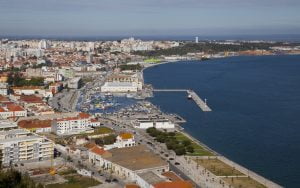
The region of Setúbal, called the Blue Coast, is characterized by its extensive coastline, connected both with the Sado and the Atlantic Ocean. Setúbal is thus the stage for a luxuriant natural spectacle, due to the crossing of the coastline with the verdant vegetation of the Serra da Arrábida Natural Park, with its abundance of singularly beautiful beaches.
The region of Setúbal offers the proximity to Lisbon, with easy access to the capital, in a city or region with the most tranquil environment and a singular natural beauty.
Located in the Lisbon metropolitan area, Setúbal is only 40 km from the Portuguese capital, with easy connections to the main highways and a network of intermodal public transportation that makes it easy for those who live in the region to get around.
Setúbal also has good infrastructure in terms of schools and health services, as well as commerce and other services and a wide range of cultural activities.
Setúbal is also a land of fishermen, so it has always been connected to the sea and was, in the 20th century, the most important center of the Portuguese fishing industry. In fact, since the Roman occupation, the region has been home to a fish salting center. Despite the decline of some of the factories, the city’s connection to the sea remains and the city’s seaports support an intense activity.
The excellent natural conditions of the region have led to the development of tourism, and today excellent hotels, resorts, and other infrastructures related to this activity drive the city and the various areas that surround it.
HISTORIC CENTER
The historic center of Setúbal is the most vibrant area of the city. Characterized by buildings whose construction dates back to the foundation of the city, Setúbal’s downtown maintains the tradition and has benefited from the renewal of many buildings and by new concepts of shops, cafes and restaurants that have given a new life to this area of the city.
The center converges on the Praça do Bocage (Bocage Square), a large space, with typical Portuguese calçada, where the statue of the city’s poet emerges in the heights. In the Bocage square is also the São Julião Church, founded by fishermen in the 13th century.
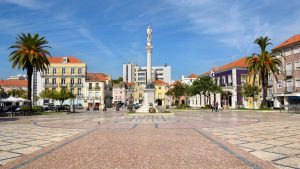
Praça do Bocage Fonte: Olhares
Near the square, you will find the Convent of Jesus, which dates back to the 15th century and was inaugurated this year after a long restauration process.
The Church of Santa Maria da Graça, or as it is better known, the Cathedral of Setúbal – Sé de Setúbal – stands as the mother church of the city, dates back to the 13th century and was the point from where the medieval district of Setúbal once developed.
Also in the center, Avenida Luísa Todi is the city’s main avenue, where bars, restaurants and other services thrive. The center of the avenue is lined by an extensive garden area, also with Portuguese sidewalk, dotted in the center with sculptures of symbols of the city and a bandstand (coreto), and you can also find small cafes.
On the avenue, you will find the largest market in the city, Mercado do Livramento, where you will find the best fresh produce, especially fish.
GASTRONOMY
As a port city, Setúbal’s gastronomy is very much linked to fishing. Seafood and fresh fish are the main ingredients of the dishes that bring many people from out of town to the restaurants in Setubal.
From the typical recipes of the city, we highlight the fried cuttlefish (choco frito), the grilled sardines, the beans with cuttlefish (feijoada de choco) or the fish stew (caldeirada de peixe).
In turn, Setúbal gives its name to a sweet wine known internationally, the Moscatel of Setúbal, which can be served as an appetizer to accompany other products of the region such as Tortas or Queijo de Azeitão (cheese).
TRÓIA
From the city you can see the Bay of Troia and from here you can catch the ferry, or catamaran, that will take you to this peninsula in a few minutes.
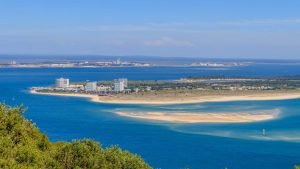
The Troia Peninsula is a sandy line, more than 25 km long, located between the Atlantic Ocean and the Sado River. It is a place where, even minutes away from the city, you can get away from everyday life and simply enjoy what nature has to offer.
In turn, the Tróia Marina offers a variety of stores, restaurants and even cultural activities that boost the various hotels and resorts.
The sandy beach of this peninsula is extremely vast, the waters are calm and clear and you can easily reach the beaches of Comporta.
_______________
A região de Setúbal, a denominada Costa Azul, caracteriza-se pela extensa linha costeira, tendo ligação simultaneamente com o Sado e com o Ocêano Atlântico. Setúbal é assim palco de um espectáculo natural luxuriante, pelo cruzamento da orla costeira, com a vegetação verdejante do Parque Natural da Serra da Arrábida, abondando os areias de singular beleza.
A região de Setúbal oferece a proximidade de Lisboa, com facilidades de acesso à capital, numa cidade ou região com o ambiente mais tranquilo e com uma beleza natural singular.
Localizada na área metropolitana de Lisboa, Setúbal encontra-se a apenas 40 km da capital portuguesa, usufruindo de ligação às principais autoestradas e possui uma rede de transportes públicos intermodais que facilitam a mobilidade de quem vive na região.
Por sua vez, Setúbal possui também boas infraestruturas ao nível de escolas e serviços de saúde, bem como comércio e outros serviços e uma vasta oferta de actividades culturais.
Setúbal é também terra de pescadores, pelo que tem sempre presente a ligação ao mar e foi, no século XX, o centro mais importante da indústria pesqueira portuguesa. Aliás desde a ocupação romana, que a região albergou um centro de salga do peixe. Apesar da desvitalização de algumas fábricas, a ligação da cidade ao mar mantém-se e os portos marítimos da cidade comportam uma intensa actividade.
As excelentes condições naturais da região fizeram desenvolver o turismo e hoje excelentes hotéis, resorts e outras infraestruturas ligadas à actividade impulsionam a cidade e as várias zonas que a circundam.
CENTRO HISTÓRICO
O centro histórico de Setúbal é a zona mais pulsante da cidade. Caracterizado pelos prédios cuja construção remontam à fundação da cidade, a baixa de Setúbal mantém a tradição e tem beneficiado da revitalização de muitos edifícios e por novas novos conceitos de comércios, cafés e restaurantes que têm dado uma nova vida a esta zona da cidade.
O centro converge sobre a Praça do Bocage, um espaço amplo, com típica calçada portuguesa, onde emerge nas alturas, a estátua do poeta da cidade. Na praça do Bocage fica ainda a Igreja de São Julião, fundada por pescadores no século XIII.
Próximo da praça, encontra o Covento de Jesus, que remonta ao século XV e foi este ano inaugurado após um longo processo de restauração.
A Igreja de Santa Maria da Graça, ou como é mais conhecida, Sé de Setúbal ergue-se como a igreja matriz da cidade, data do século XIII e foi o ponto de onde se desenvolveu, outrora, o bairro medieval de Setúbal. Destaque aqui para os frescos e painéis de azuleijos dos séculos XVII e XVIII.
Também no centro, a Avenida Luísa Todi é a principal via da cidade, onde fervilham bares, restaurantes e outros serviços. O centro da avenida é percorrido por uma extensa área ajardinada também pautada pela calçada portuguesa, salpicadas ao centro com esculturas de símbolos próprios da cidade e um coreto, e pode ainda encontrar pequenos cafés.
Também na Avenida encontra o maior mercado da cidade, o Mercado do Livramento, onde encontra os melhores produtos frescos, em especial peixe e onde pode apreciar o extenso painel de azuleijos.
GASTRONOMIA
Como cidade portuária, destaca-se em Setúbal uma gastronomia muito ligada à pesca. O marisco e o peixe fresco são os principais ingredientes dos pratos que trazem aos restaurantes setubalenses muitos pessoas de fora.
Das receitas típicas da cidade, destaca-se o choco frito, a sardinha assada, a feijoda de choco ou a caldeirada de peixe.
Por sua vez, Setúbal dá nome a um vinho doce muito conhecido internacionalmente, o Moscatel de Setúbal, que pode ser servido como aperitivo a acompanhar com outros produtos da região como as Tortas ou o Queijo de Azeitão.
TRÓIA
Da cidade pode avistar a Baía de Tróia e é a partir daqui que pode apanhar o ferry, ou o catamarã que o levará a esta península em poucos minutos.
A Península de Tróia é uma linha arenosa, com mais de 25 Km de comprimento, situada entre o Oceâno Atlântico e o estuário do Sado. É um local em que, mesmo a minutos da cidade, nos podemos alhear da vida quotidiana e simplesmente aproveitar o que a natureza nos oferece.
Por sua vez, a Marina de Tróia oferece uma diversidade de lojas, restaurantes e até actividades culturais que impulsionam os vários hóteis e resorts.
O areal desta península é extremamente vasto, e as águas calmas e límpidas e facilmente chega às Praias da Comporta.
FONTES:
https://www.viagensecaminhos.com/2020/03/setubal-portugal.html
https://visitsetubal.com/
https://www.unu.pt/noticias/viver-em-portugal_119/como-e-viver-em-setubal_428